At first glance, online slots seem straightforward: spin the reels, match symbols, win prizes. But behind the bright visuals and catchy soundtracks lies a set of rules that can make or break your gameplay. Whether you’re a seasoned spinner or a curious newcomer, understanding how to read slot rules is key to playing smarter — and getting the most from your bankroll.

So, where do you start? Let’s break it down.
Why Reading the Rules Matters
Most players skip the rules and dive straight into spinning. It’s tempting — the game looks simple, and who has time to read pages of fine print?
But here’s the catch: not all slots are created equal. A few lines in the paytable can completely change how a game works, what counts as a win, and how hard it is to trigger those mouth-watering bonuses. If you don’t know the rules, you’re basically playing blind.
Understanding the mechanics means:
- You won’t be caught off guard by sneaky terms
- You can choose slots that suit your playstyle
- You’ll make better decisions about bet size and strategy
Where to Find the Slot Rules
Every online slot has an information section. Usually, it’s marked with an “i”, “?”, or “menu” icon somewhere on the screen — often in the bottom corner.
Once you click it, you’ll get access to:
- The paytable
- Bonus game details
- Wild and scatter symbol explanations
- RTP (Return to Player) and volatility info
- Line mechanics (how wins are formed)
- Betting rules and restrictions
Take 2–3 minutes to go through this section before you spin — especially if the slot looks more complex than average.
What to Look for First: Your Rulebook Checklist
1. Paytable and Symbol Values
The paytable shows how much each symbol is worth and how many you need to land a win. Key things to watch:
- Top-paying symbols: Often characters or themed icons — know what they’re worth.
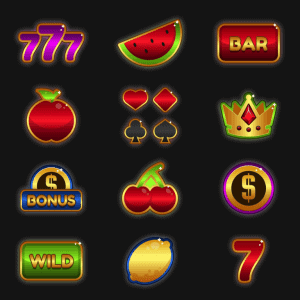
- Low-paying symbols: Usually card values (10, J, Q, K, A). These keep small wins coming.
- Special symbols: Wilds, scatters, multipliers — these can seriously boost your payout or unlock features.
Make sure you know which symbols matter most and how they behave.
2. Paylines and Win Mechanics
Not all slots use traditional paylines. Here are the common systems:
- Fixed paylines: A set number of lines (e.g., 25 or 50) — all are active each spin.
- Adjustable paylines: You choose how many lines to play, affecting your bet.
- Ways-to-win (e.g., 243 ways): Wins are based on matching symbols on adjacent reels, not lines.
- Cluster pays: Groups of matching symbols trigger wins, often without reels.
Knowing how wins are formed helps you understand hit frequency — and adjust your expectations.
3. RTP and Volatility
These two numbers shape how the slot feels over time.
- RTP (Return to Player) is the theoretical percentage a game pays back over millions of spins. For example, 96.2% means that over time, $96.20 is returned for every $100 wagered. Higher is generally better — but not everything.
- Volatility (or variance) measures risk:
- Low volatility: frequent but smaller wins
- High volatility: rare but big wins (think jackpot-style)
If you’re on a budget or prefer longer sessions, look for lower volatility. Chasing big wins? High volatility is your thing — just brace for dry spells.
4. Wilds, Scatters, and Bonus Features
Wilds substitute for other symbols to complete winning combos. Scatters often trigger bonus games or free spins. But here’s the catch: they all work differently in different games.
Read carefully:
- Does the wild expand, stick, or come with a multiplier?
- Do scatters need to appear in a certain order or position?
- What are the rules of the bonus game — is it a pick-me feature, free spins with extra modifiers, or something else?
Understanding how to trigger and use these features can boost your odds — and your fun.
5. Bet Size and Coin Value
Slots let you adjust your total bet per spin. This can involve:
- Coin denomination (e.g., $0.01 to $1)
- Number of coins per line
- Number of paylines (if adjustable)
Always check the minimum and maximum bet limits, especially if you’re working with a bonus or limited bankroll.
Also, some features or jackpots only activate at max bet, which makes reading this section even more critical.
6. Bonus Game Rules and Wagering Conditions
Some slots come with bonus buys, respins, or gamble features. Always check:
- What triggers the bonus
- Whether the bonus is random or tied to your bet size
- If the bonus feature resets your base game progress
Also, if you’re playing with a casino bonus, be sure to review the wagering terms. Some slots are excluded or contribute less to wagering. That info won’t be in the game — but it’s vital to check with the casino.
Red Flags to Watch For
Some slots come with terms that tilt the odds more than you’d expect. Watch out for:
- Low RTP (< 94%) — unless you’re playing for fun only
- High max bet requirements for jackpot eligibility
- Bonus rounds that trigger only once in hundreds of spins
- Limits on autoplay or fast-spin options (some games disable them under bonus play)
These aren’t dealbreakers — but they should be factored into your decision.
Final Thoughts: Know the Rules, Win Smarter
Reading slot rules might not be as thrilling as spinning the reels, but it’s one of the smartest habits you can develop. Slots are designed for fun, but they’re also structured games with real odds, risks, and strategies hidden in the fine print.
Understanding how a slot works — how wins are triggered, what symbols matter, and how features behave — gives you control. And in a game where randomness rules, that’s a powerful edge.
So next time you launch a new slot, pause for a moment. Open the info section, read the rules, and play like you mean it.